Last to arrive, first to cause problems — wisdom teeth have a reputation built on equal parts fact and playground horror story. Most people end up dealing with them eventually, so it's worth knowing the real version: what they are, how to spot trouble early, and what removal genuinely involves. Here's the full picture from the team at Dental Wellness Stanmore.
Sometime between 17 and 25, a lot of people get an unwelcome surprise right at the back of the mouth. A dull ache, a bit of gum swelling, maybe a tooth that seems to be angling itself into the neighbours. That's a wisdom tooth arriving — the third and final set of molars, showing up years after everyone assumed teeth development was finished.
They're one of the most discussed topics in dentistry, and one of the least understood. Here's what's actually behind the reputation.
Wisdom teeth are essentially a holdover from a time when jaws were bigger and diets required a lot more chewing — tougher, rawer food that needed an extra set of molars to manage. Jaws have shrunk considerably over generations, but the genetic instruction to grow a third set of molars hasn't caught up with that change. The result is a mouth that frequently doesn't have the space to accommodate them properly, and that's where most of the trouble begins.
Plenty of people never have an issue at all, but when problems do develop, the signs tend to be consistent: pain or tenderness right at the back of the jaw, swelling in the surrounding gum, trouble opening your mouth fully, a persistent bad taste or smell, or pain that seems to travel toward the ear on that side. Some patients also notice their other back teeth becoming crowded or shifting slightly, usually because a wisdom tooth is pushing against them from behind.
If any of this sounds familiar, an X-ray at Dental Wellness Stanmore is the best way to actually see what's happening beneath the gum, rather than trying to work it out from symptoms alone.
Not necessarily, and that's worth knowing before assuming the worst. A wisdom tooth that's fully emerged, sitting in a reasonable position, and easy to clean around can often be left exactly where it is. The teeth that tend to cause genuine problems are impacted ones — stuck partway through the gum, angled awkwardly, or pushing against the tooth beside them. An X-ray tells us definitively which category yours falls into, rather than leaving it to guesswork.
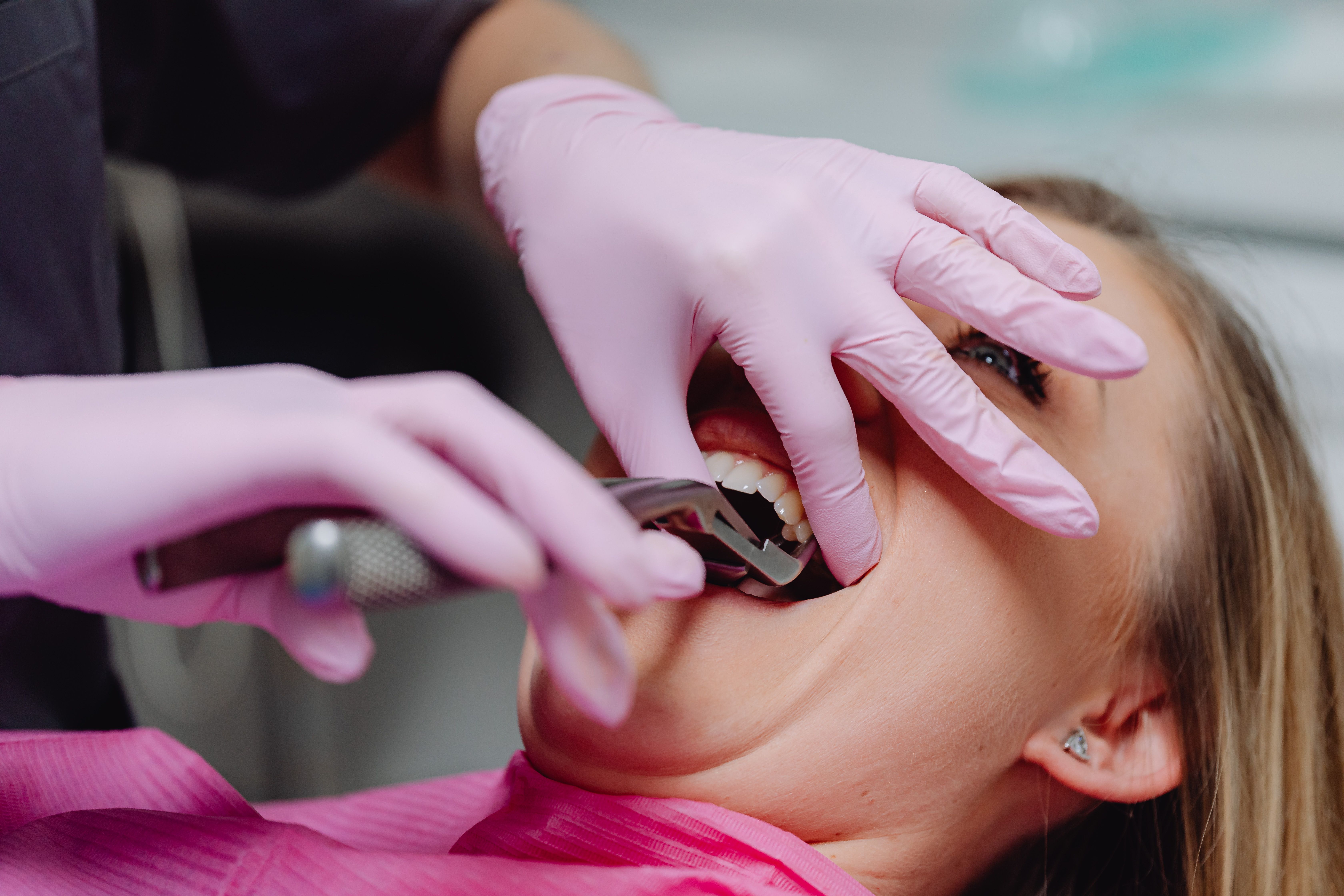
It's one of the most routinely performed procedures in dentistry, and considerably less dramatic than the stories that tend to circulate. Depending on the position of the tooth, removal is carried out under local anaesthetic, with sedation available for more involved cases. The area is fully numbed beforehand, so there's no pain during the procedure itself, though you'll still be aware of pressure and movement.
Straightforward extractions, where the tooth has already emerged, are generally quick. Impacted teeth, sitting under gum or bone, take longer and are sometimes removed in smaller sections to keep disruption to the surrounding area to a minimum.
More manageable than most people brace themselves for, though the first two to three days are the ones worth planning around properly. Some swelling and discomfort are expected and controlled well with the painkillers we recommend. An ice pack against the cheek helps considerably in the first 24 hours. Soft foods — soup, mashed potato, scrambled eggs, yoghurt — are the way to go for the first week, and straws are best avoided entirely, since the suction can dislodge the healing clot and lead to a painful complication called dry socket.
Most people are back to their normal routine within a few days to a week, though the gum itself can take a few weeks longer to fully heal underneath.
A handful of habits are worth avoiding no matter how you're feeling day to day: smoking, drinking through a straw, rinsing too vigorously in the first 24 hours, and strenuous exercise in the first few days can all interfere with healing or bring on dry socket. Gentle salt water rinses, starting the day after surgery once bleeding has settled, help keep the area clean without disturbing it.
If you're dealing with persistent pain at the back of your jaw, swelling that isn't going down, or difficulty opening your mouth properly, it's worth getting it looked at rather than hoping it resolves on its own. Catching a developing problem early, before infection sets in, generally means a more straightforward removal and a smoother recovery afterwards.
If you think your wisdom teeth might be causing issues, or you'd simply like an X-ray to see where things currently stand, the team at Dental Wellness Stanmore can take a proper look and talk you through what, if anything, needs to happen next.
Book online, call us on 020 8954 2602, or pop in and speak to our reception team.
Want to hear from patients who've been through wisdom teeth removal themselves? Visit our YouTube channel for patient testimonials, treatment walkthroughs, and expert tips from the team at Dental Wellness.